Introduction
The United Arab Emirates (UAE) has introduced a modern corporate tax system to align with global standards while maintaining its position as a business-friendly hub. As we move into 2026, businesses must understand how corporate tax works, who it applies to, and how to remain compliant.
This guide provides a complete breakdown of UAE Corporate Tax, including rates, exemptions, and compliance strategies.
What is UAE Corporate Tax?
UAE Corporate Tax is a direct tax on business profits applicable to companies operating in the UAE. It was officially implemented to diversify the economy and meet international tax transparency standards.
The tax applies to:
- Mainland companies
- Free zone entities
- Foreign businesses with UAE presence
- Individuals conducting business activities
UAE Corporate Tax Rates (2026)
The UAE follows a tiered tax system:
- 0% Tax → On taxable income up to AED 375,000
- 9% Tax → On income above AED 375,000
- 15% (approx.) → For large multinational groups (OECD rules)
This structure supports startups and SMEs while ensuring larger corporations contribute fairly.
Example:
If your business earns AED 400,000 → only AED 25,000 is taxed at 9%.
Who Needs to Pay Corporate Tax?
Corporate tax applies to:
- UAE mainland companies
- Free zone companies
- Foreign companies with Permanent Establishment (PE)
- Business individuals
Even if your income is below the taxable threshold, registration is still mandatory.
Free Zone Corporate Tax Explained
Free Zone businesses are NOT automatically exempt.
However, they can benefit from:
0% tax on Qualifying Income
Must meet strict conditions:
- Economic substance in UAE
- Proper documentation
- Compliance with transfer pricing rules
If conditions are not met → 9% tax applies.
Key Exemptions
Some entities are exempt from corporate tax:
- Government entities
- Charities & public benefit organizations
- Pension and investment funds
- Natural resource businesses (oil & gas taxed separately)
Small Business Relief (Important for 2026)
Businesses with revenue under AED 3 million may qualify for Small Business Relief until 2026.
This means:
- You may not need to pay tax
- But compliance and registration are still required
UAE Corporate Tax Compliance Requirements
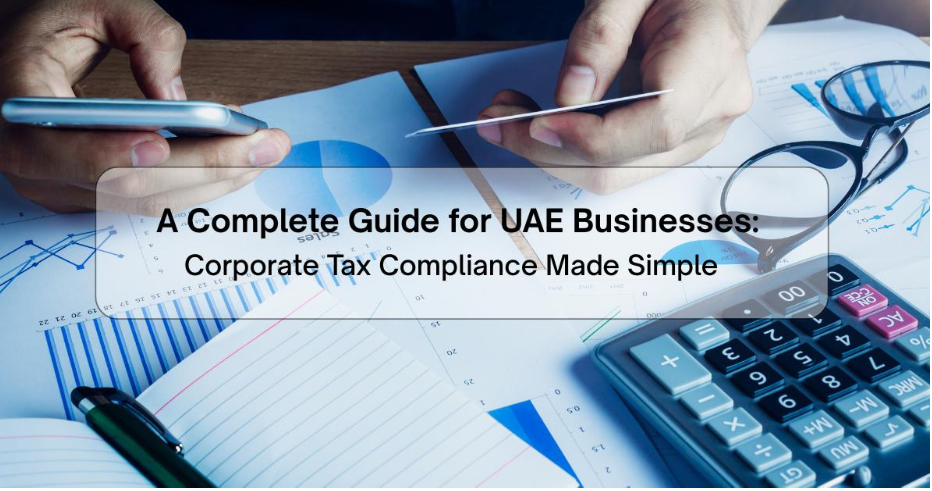
To stay compliant, businesses must:
1. Register with Federal Tax Authority (FTA)
Required for everyone who has to pay taxes
2. Maintain Financial Records
Keeping track of money and doing the right accounting
3. File Annual Tax Returns
Even if no tax is payable
4. Follow Transfer Pricing Rules
Even if you don’t have to pay taxes
5. Meet Deadlines
Filing late can lead to fines
2026 Updates & Changes
Key updates businesses should know:
- Better rules for compliance and record-keeping
- More information about tax credits and incentives
- More attention on audits and filings
To encourage new ideas, R&D tax credits of up to 50% have also been added.
Benefits of UAE Corporate Tax System
- Tax rate is low compared to other markets around the world.
- 0% limit for small and medium-sized businesses
- High level of trust among investors
- A system that is clear and works with everyone around the world
Common Mistakes Businesses Must Avoid
- Not signing up for business tax
- Assuming that a free zone means no tax
- Poor bookkeeping
- Not meeting filing deadlines
- Not following the rules for transfer pricing
Pro Tips for Businesses
- Get help from a professional tax consultant
- Keep your financial records neat.
- Early planning for taxes
- Carefully check to see if you qualify for a free zone
Conclusion
In 2026, the UAE’s corporate tax system will be easy to use, competitive, and follow the rules of the world. It is still one of the best places in the world to pay taxes because the rate is only 9% and there are a lot of exemptions.
But following the rules is very important. To avoid fines and get the most benefits, businesses need to register, file, and keep accurate records.