What is Audit? Importance, Types & Benefits for Businesses
Introduction
In today’s competitive and regulated business environment, audit services play a critical role in ensuring financial accuracy, compliance, and transparency. Whether you run a startup or a large enterprise, auditing helps maintain trust among stakeholders and ensures that your financial statements reflect a true and fair view of your business.
An audit is essentially an independent examination of financial records to verify their accuracy and compliance with laws and standards.
What is an Audit?
An audit is a systematic and independent evaluation of a company’s financial records, transactions, and internal controls. It ensures that the financial information presented is accurate, reliable, and free from fraud or misrepresentation.
Audits typically review key financial statements such as:
- Balance Sheet
- Income Statement
- Cash Flow Statement
The primary goal is to provide an unbiased opinion on the company’s financial health.
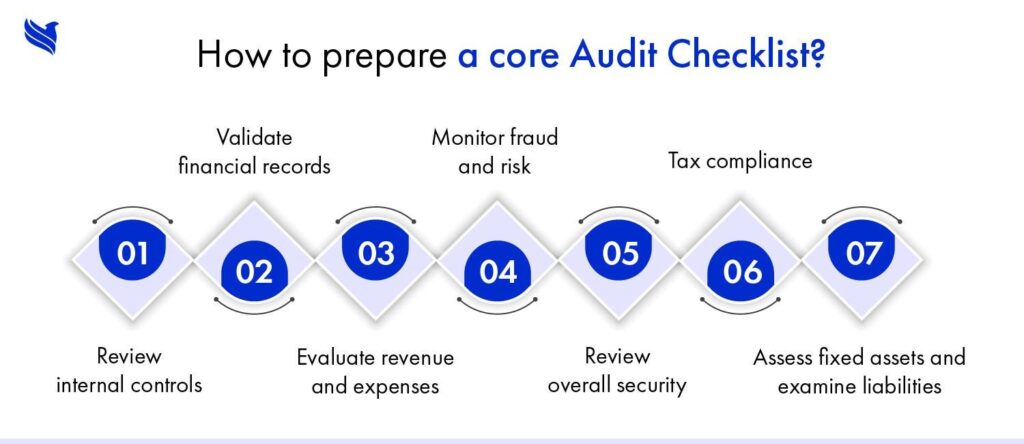
Audit Process Visualization
Why is Audit Important for Businesses?
Auditing is not just a legal requirement—it’s a strategic tool for business growth.
Key Benefits of Audit
1. Ensures Financial Accuracy
Audits verify that financial records are correct and comply with accounting standards.
2. Detects Fraud & Errors
Regular audits reduce the risk of fraud and identify discrepancies early.
3. Builds Trust & Credibility
Audited financial statements increase confidence among investors, banks, and stakeholders.
4. Improves Internal Controls
Audits help identify weaknesses in business processes and strengthen controls.
5. Regulatory Compliance
Many businesses are legally required to undergo audits to ensure compliance with laws.
Auditing ensures that companies present their financial position fairly and accurately.
Types of Audit
Understanding different types of audits helps businesses choose the right approach.
1. Internal Audit
Conducted by internal staff to evaluate operations and improve efficiency.
2. External Audit
Performed by independent auditors to provide an unbiased financial opinion.
3. Statutory Audit
Mandatory audit required by law for certain companies.
4. Tax Audit
Focuses on verifying tax compliance and filings.
5. Compliance Audit
Ensures the company follows legal and regulatory requirements.
Types of Audit Illustration
Audit vs Accounting: Key Difference
| Aspect | Accounting | Auditing |
| Purpose | Record financial transactions | Verify accuracy |
| Frequency | Continuous | Periodic |
| Performed by | Accountant | Auditor |
| Focus | Financial data preparation | Financial data validation |
Auditing is a specialized process that examines financial records independently after accounting is completed.
Audit Process: Step-by-Step
- Planning the Audit
- Understanding Business Operations
- Risk Assessment
- Testing Internal Controls
- Collecting Audit Evidence
- Reporting Findings
Audit planning ensures proper execution and identifies potential risks early.
Who Needs Audit Services?
Audit services are essential for:
- Corporations & LLCs
- Startups seeking investment
- Companies with regulatory obligations
- Businesses applying for loans
- Organizations aiming for transparency
Conclusion
Audit is a cornerstone of financial integrity and business credibility. It not only ensures compliance but also enhances operational efficiency and stakeholder trust. In 2026 and beyond, businesses that prioritize auditing will be better positioned for sustainable growth and long-term success.