What is VAT in UAE? A Beginner’s Guide for Businesses
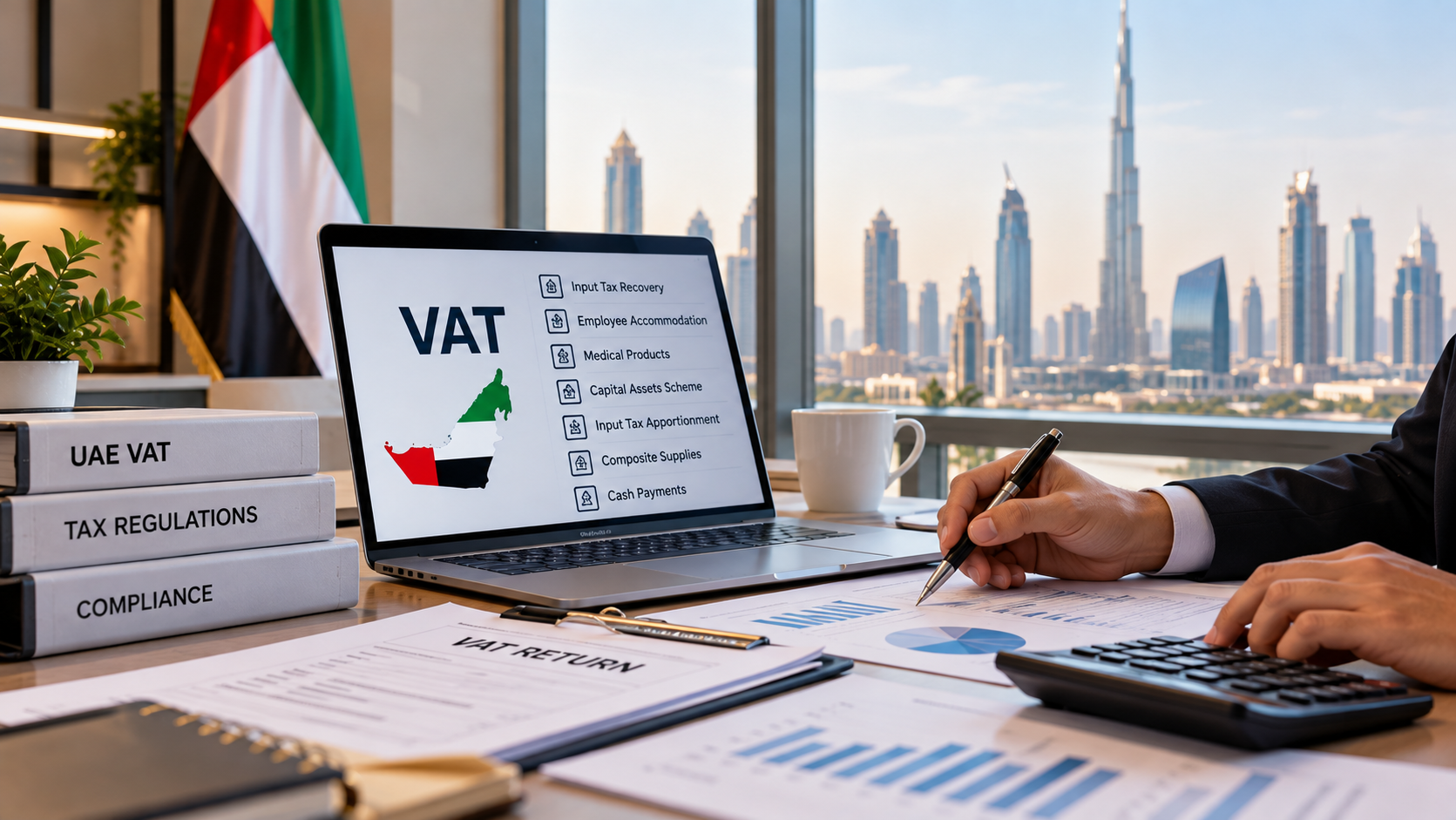
One of the most important business taxes in the United Arab Emirates is VAT (Value Added Tax). Since its introduction, VAT has been an important part of financial compliance for companies operating across the UAE.
Startups, SMEs and growing businesses need to understand VAT to avoid penalties, stay compliant and manage finances efficiently.
Starting a new business or growing your business in the UAE? This beginner’s guide is a simple and practical way to learn all the things that businesses need to know about VAT.
UAE VAT & Business Finance Concepts
What is VAT?
VAT (Value Added Tax) is an indirect tax applied to most goods and services sold in the UAE.
The UAE government introduced VAT on:
1 January 2018
The standard VAT rate in the UAE is:
5%
VAT is collected by businesses on behalf of the government and paid to the Federal Tax Authority (FTA).
Why Was VAT Introduced in UAE?
VAT was introduced to help the UAE diversify its economy and reduce dependence on oil revenue.
The collected tax supports:
- Public infrastructure
- Healthcare
- Education
- Government services
- Economic development
Compared to many countries, the UAE still maintains one of the lowest VAT rates globally.
How VAT Works
VAT is charged at every stage of the supply chain where value is added.
Simple Example
| Item | Amount |
| Product Price | AED 1,000 |
| VAT (5%) | AED 50 |
| Total Invoice | AED 1,050 |
The business collects AED 50 from the customer and later pays it to the Federal Tax Authority after adjusting eligible VAT inputs.
Who Needs to Register for VAT in UAE?
Businesses must register for VAT if their taxable supplies exceed the mandatory threshold.
Mandatory VAT Registration Threshold
- AED 375,000 annual turnover
Voluntary Registration Threshold
- AED 187,500 annual turnover
Businesses below the voluntary threshold are generally not required to register.
Types of VAT Registration
1. Mandatory Registration
Required when revenue exceeds AED 375,000 annually.
2. Voluntary Registration
Businesses with lower turnover may register voluntarily to improve business credibility and recover input VAT.
What is Input VAT and Output VAT?
Output VAT
VAT charged by a business on sales.
Input VAT
VAT paid by a business on purchases and expenses.
Businesses can usually reclaim eligible input VAT from the government.
VAT Registration & Accounting Services
VAT Registration Process in UAE
VAT registration is completed through the Federal Tax Authority (FTA) portal.
Documents Usually Required
- Trade license
- Emirates ID/passport copy
- Business contact details
- Financial records
- Bank account information
- Revenue details
Professional accounting firms often help businesses complete the process correctly and efficiently.
VAT Filing in UAE
Registered businesses must file VAT returns regularly.
VAT Return Periods
Usually:
- Quarterly
or - Monthly
depending on FTA requirements.
VAT returns include:
- Total sales
- Total purchases
- Output VAT
- Input VAT
- Payable VAT amount
Late filing may result in penalties.
Common VAT Mistakes Businesses Make
Many businesses face compliance issues because of:
- Incorrect invoices
- Missing documentation
- Late VAT filing
- Improper bookkeeping
- Wrong VAT calculations
- Poor financial tracking
Working with experienced accounting professionals helps reduce these risks significantly.
Importance of Proper VAT Accounting
Accurate accounting helps businesses:
- Maintain compliance
- Avoid penalties
- Improve financial planning
- Track cash flow
- Prepare audits efficiently
Strong bookkeeping and VAT management are essential for long-term business success.
How Professional Financial Consultants Help
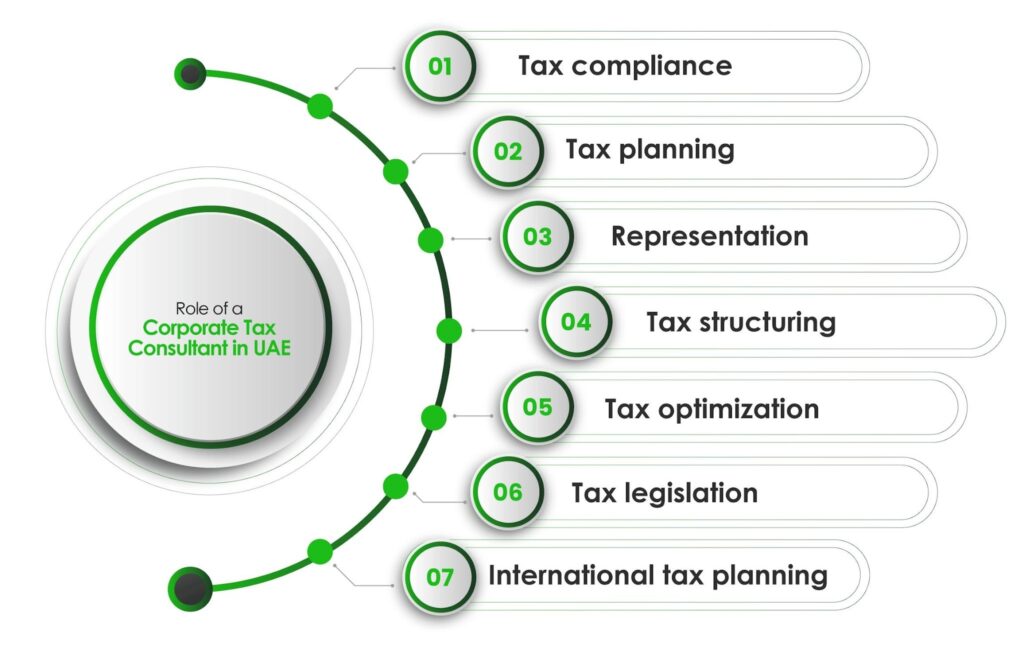
Professional accounting and tax consultants assist businesses with:
- VAT registration
- VAT filing
- Bookkeeping
- Financial reporting
- Corporate tax support
- Compliance management
- Audit preparation
Businesses in the UAE often rely on expert financial consultants to simplify complex tax processes and maintain accurate records.
VAT Exemptions and Zero-Rated Supplies
Some goods and services in the UAE are:
Zero-Rated
VAT charged at 0%.
Examples may include:
- International transportation
- Certain healthcare services
- Some educational services
VAT Exempt
No VAT charged.
Examples may include:
- Certain residential properties
- Some financial services
VAT rules can vary depending on the business activity.
VAT Penalties in UAE
The Federal Tax Authority imposes penalties for non-compliance.
Common violations include:
- Late registration
- Late filing
- Incorrect VAT returns
- Failure to maintain records
Penalties can become expensive for businesses that ignore VAT obligations.
Tips for Businesses to Stay VAT Compliant
Maintain Proper Records
Keep organized invoices, receipts, and financial statements.
Use Accounting Software
Digital accounting systems improve accuracy and efficiency.
File Returns on Time
Always meet FTA deadlines to avoid penalties.
Work with Professionals
Professional consultants help businesses stay compliant and updated with regulations.
Why VAT Knowledge Matters for New Businesses
Understanding VAT early helps businesses:
- Price products correctly
- Maintain healthy cash flow
- Avoid financial surprises
- Build professional credibility
- Operate legally and efficiently
For startups and SMEs, proper VAT planning is extremely important from the beginning.
Final Thoughts
VAT has become an integral part of business in the UAE. It’s important for all business owners to understand how VAT works, when they need to register and how to remain compliant.
Professional help can make tax management much more efficient and less stressful, whether it’s registration, bookkeeping, VAT filing or financial reporting.
For organizations requiring professional accounting, bookkeeping and VAT consulting services in the UAE, companies such as Irtiqa Al Falah assist companies with financial compliance management professionally for long-term business growth.
FAQs
What is the VAT rate in UAE?
The standard VAT rate in the UAE is 5%.
Is VAT registration mandatory in UAE?
Yes, VAT registration becomes mandatory if taxable turnover exceeds AED 375,000 annually.
What happens if VAT is filed late?
Late VAT filing may result in penalties imposed by the Federal Tax Authority.
Can businesses reclaim VAT in UAE?
Yes, registered businesses can usually reclaim eligible input VAT paid on business expenses.
Why should businesses hire VAT consultants?
VAT consultants help businesses maintain compliance, avoid penalties, and manage accounting accurately.