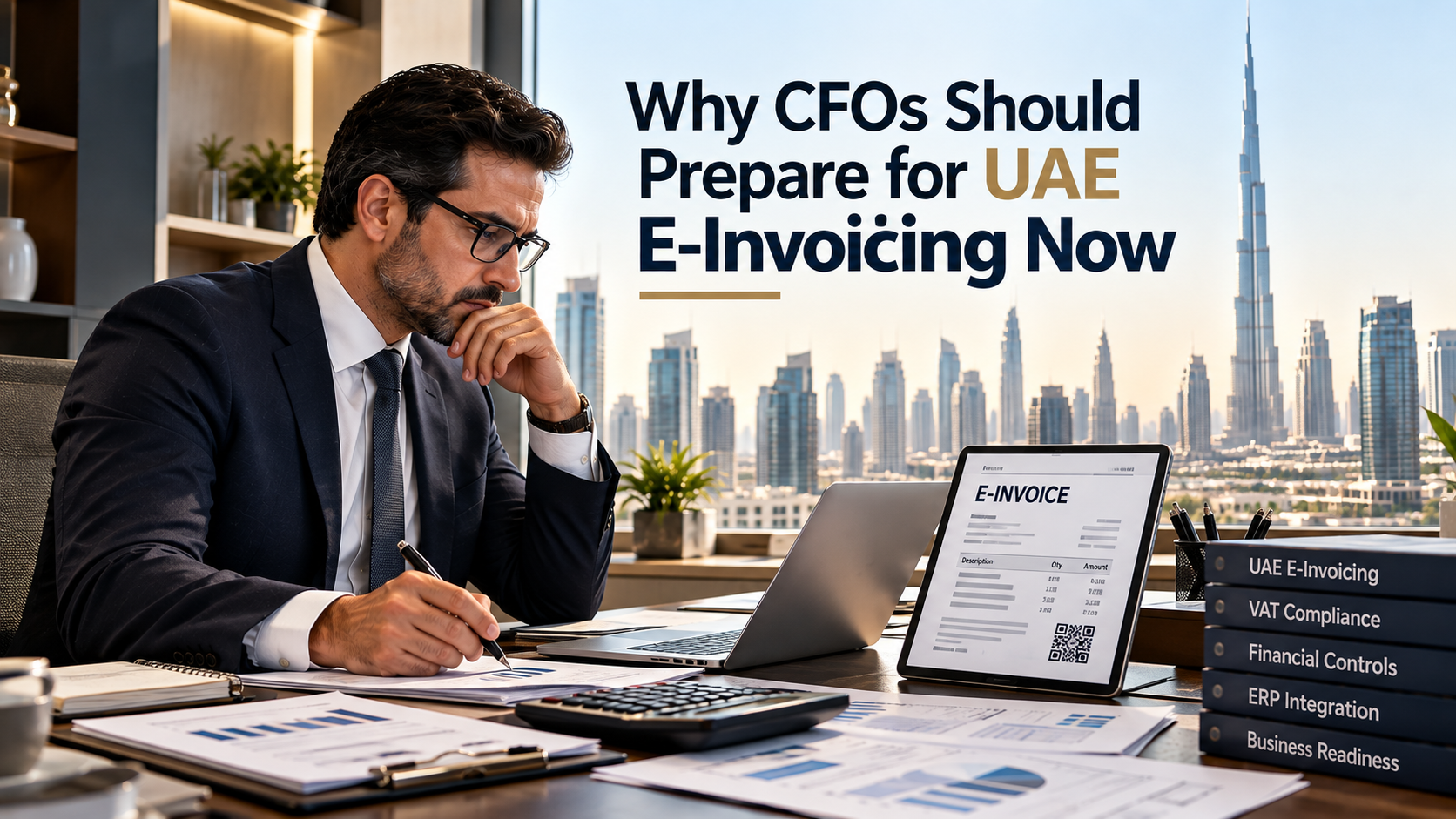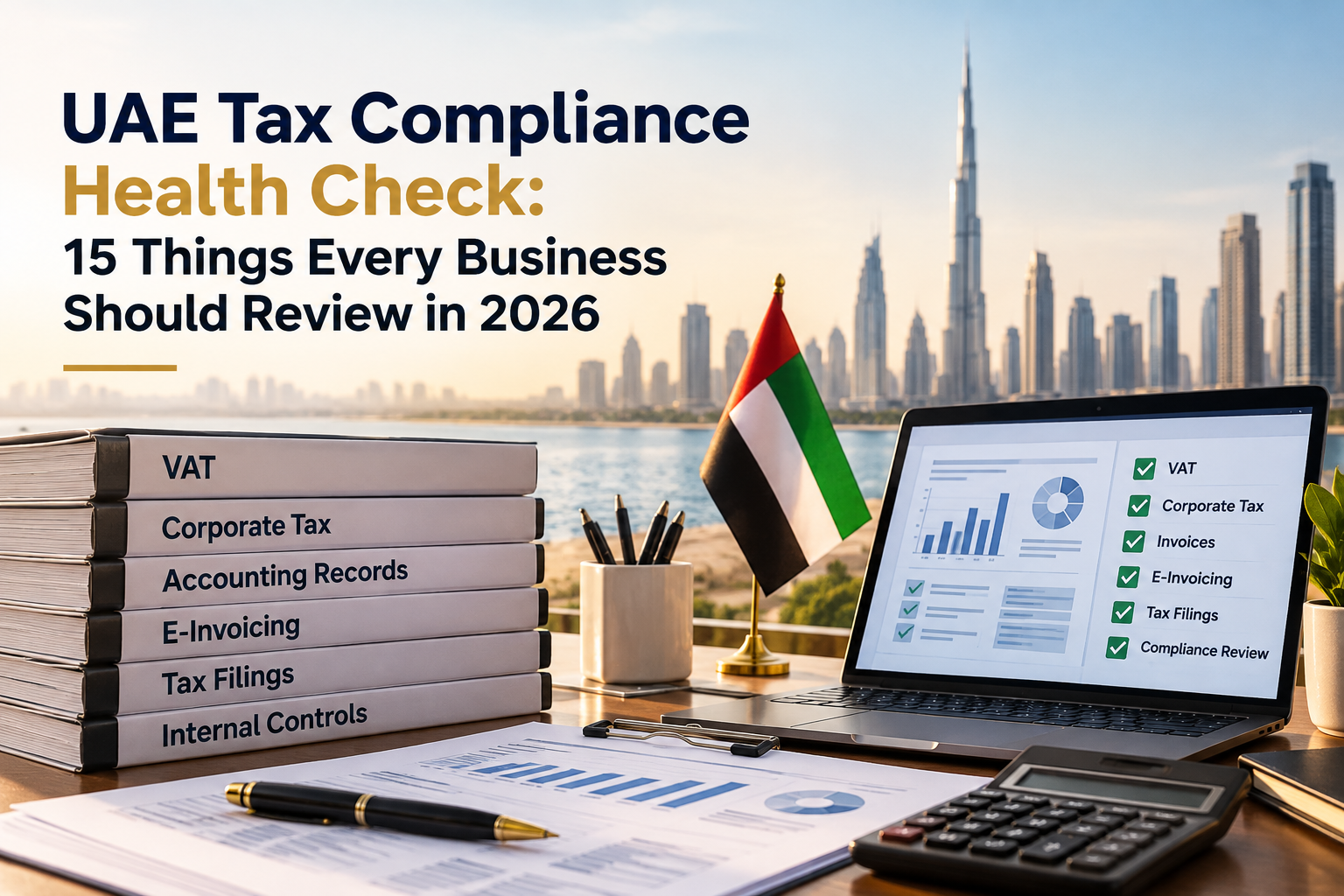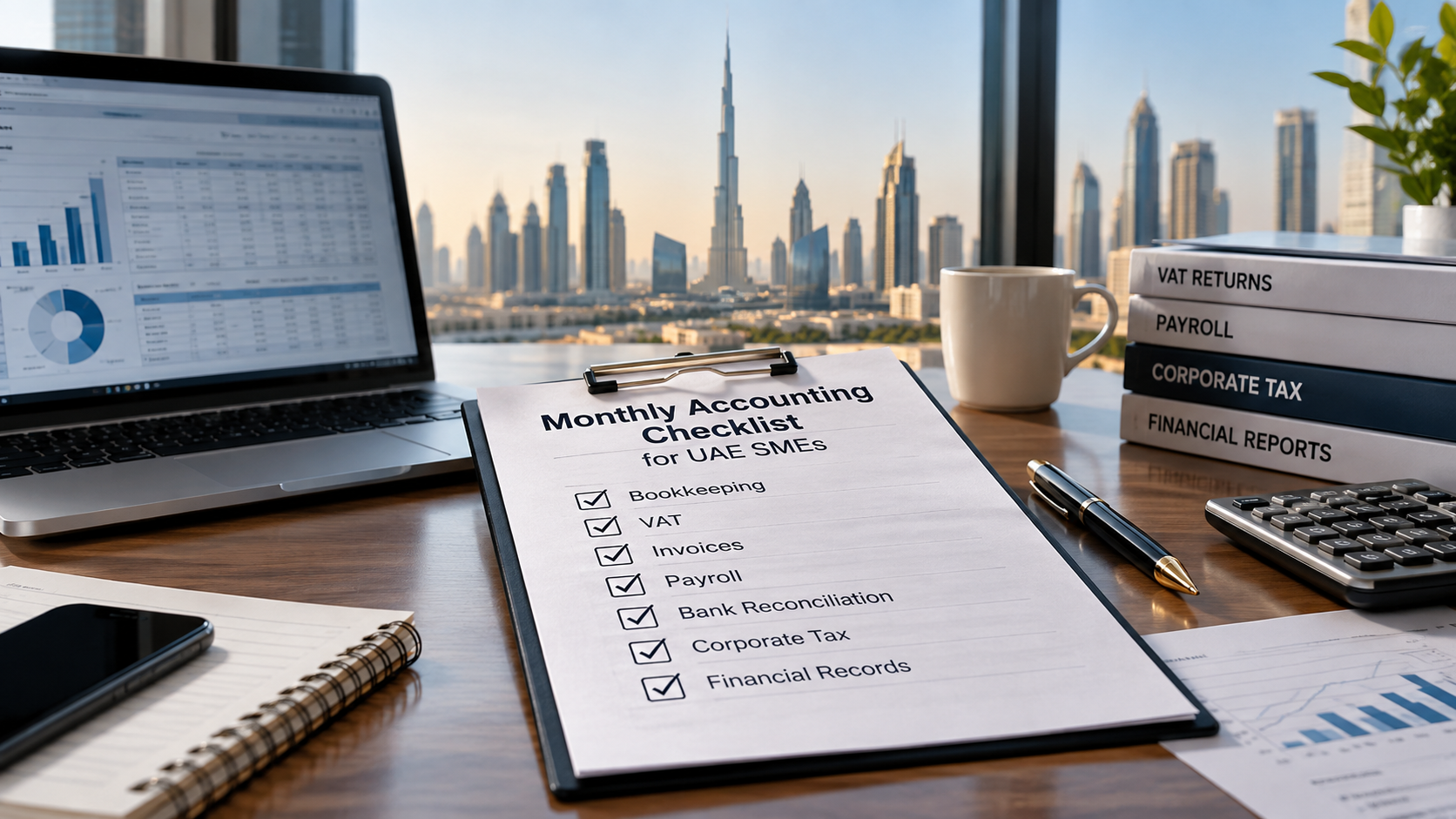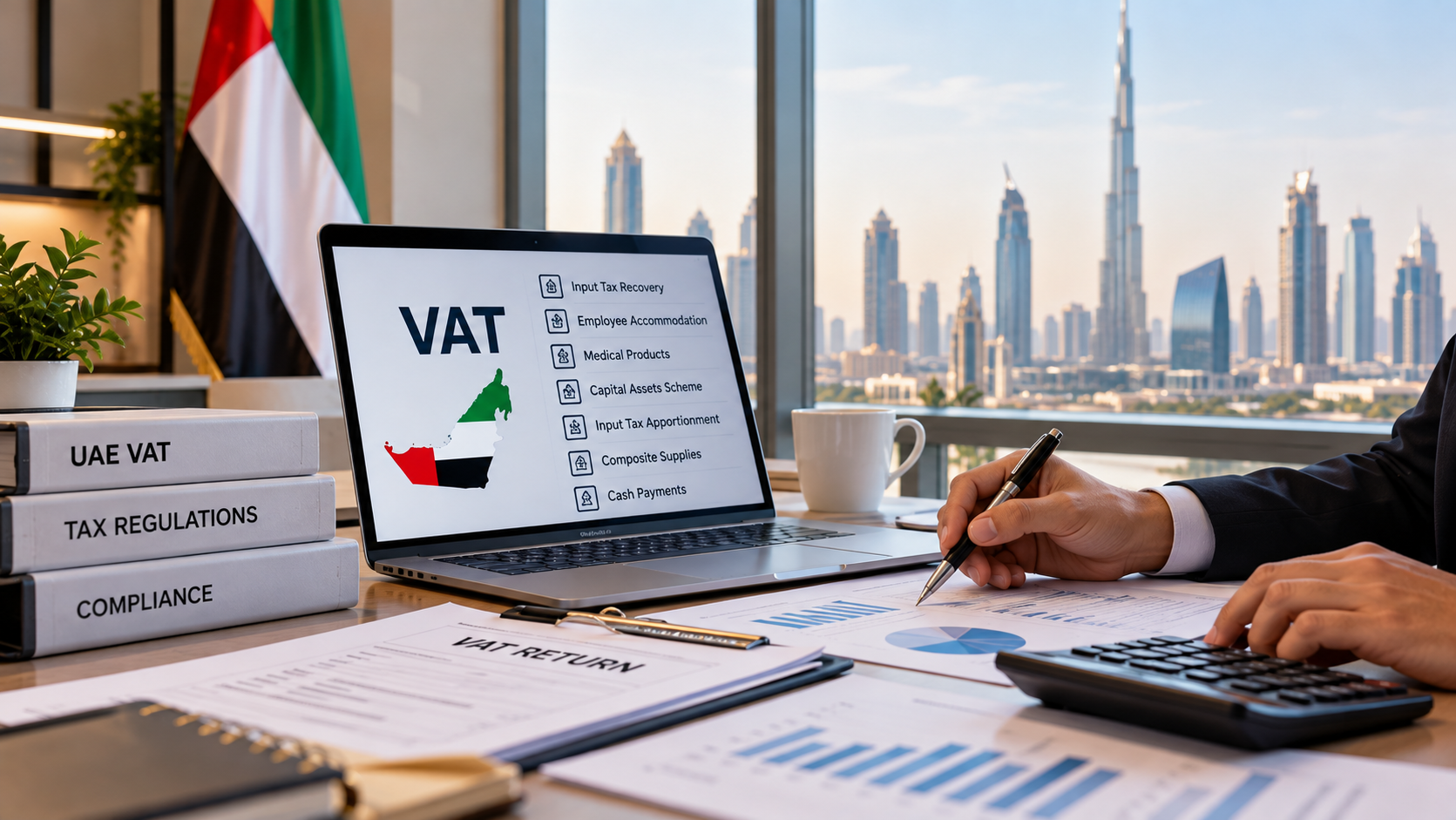
With companies in the UAE undergoing their digital transformation, e-invoicing is now a vital component of modern accounting and finance. Despite having accounting systems that have been adopted by most companies, there is no guarantee that such firms are prepared for e-invoicing. An effective move towards e-invoicing entails doing more than just preparing the electronic invoices.
An E-Invoicing Readiness Assessment allows firms to detect any weaknesses they might have in place before embarking on e-invoicing. Rather than addressing these problems once they arise, businesses will be able to prepare themselves in advance for the adoption of mandatory e-invoicing.
Why an E-Invoicing Readiness Assessment Matters
Many companies tend to assume that the only necessary step is upgrading their accounting software. However, in practice, e-invoicing impacts different organizational units such as finance, sales, procurement, and IT.
A readiness assessment will provide insight into whether the existing solutions are capable of issuing invoices that comply with new regulations, exchanging information securely, and integrating with the existing processes. What is more important, it decreases the chances of encountering any problems once the new legislation comes into force.
Companies that collaborate with professional Accounting Services in Dubai usually perform the assessment in advance.
Review Your Current Accounting System
The initial stage involves reviewing your accounting software.
Consider:
- Does it produce electronic invoices?
- Does it allow for automated invoicing?
- Can it interface with ERP/financial software?
- Is it capable of storing invoice data securely?
- Does it have the capability to produce invoices?
In case your software doesn’t have such features, you might need to upgrade your software.
Many companies use the help of Accounting Consultancy in Dubai for evaluating their accounting infrastructure and recommending software solutions.
Assess the Quality of Your Financial Data
But if you have poor-quality accounting records, then your invoicing software will not serve any purpose.
Make sure your company has:
- Customer details
- Supplier details
- VAT numbers
- Correct numbering for invoices
- Transaction details
The companies that have hired the services of Bookkeeping Services in Dubai are always better prepared because they update their accounting records all throughout the year.
Evaluate Internal Processes
Technology alone doesn’t guarantee a successful e-invoicing system. Your internal processes should also be reviewed.
Consider questions such as:
- Who creates invoices?
- Who approves them?
- How are invoice corrections handled?
- Are payment records linked to invoices?
- Are approval workflows documented?
Clear procedures reduce manual errors and improve efficiency once e-invoicing is implemented.
Check Your Compliance Readiness
Compliance should be a central consideration in any readiness evaluation.
It is important to confirm that all necessary data is reflected on the invoices according to UAE legislation. In addition, financial data must be accounted for in accordance with tax and accounting requirements.
In this respect, cooperation with a professional Tax Consultant based in Dubai will allow the business to be aware of compliance requirements.
Identify System Integration Gaps
Many organizations have independent systems for accounting, inventory, payroll, customer management, and procurement.
When such systems are unable to interact with each other, invoicing is made slow and more susceptible to errors.
An E-invoicing readiness assessment can help to recognize these problems before the process of implementation starts and prevent the organization from additional expenses.
Organizations that utilize Accounting Outsourcing Dubai can also get assistance in managing accounting systems and workflows.
Test Internal Controls Before Implementation
Strong internal controls remain essential even after moving to electronic invoicing.
Businesses should review:
- User access permissions
- Invoice approval procedures
- Data backup processes
- Fraud prevention controls
- Audit trails
- Document retention policies
Many organisations engage Internal Audit Firms in Dubai to evaluate these controls and ensure their financial processes remain secure and compliant.
Why Professional Support Makes the Process Easier
E-invoicing preparation requires accounting, technology, compliance, and procedural improvement. Controlling the above-listed factors inside an organization may be difficult especially for rapidly expanding enterprises.
Professional Accounting and Bookkeeping Services in Dubai will enable businesses to keep their financial transactions in order and ensure accounting procedures are ready for e-invoicing demands.
In the same manner, Accounting Services in UAE and Accounting and Bookkeeping Services in UAE will assist businesses with financial expertise and will facilitate e-invoicing process.
Final Thoughts
The E-Invoicing Readiness Assessment process is not just a technical assessment—it is an excellent way to improve the quality of your financial management prior to digital invoices becoming a necessity. By assessing your accounting processes, analyzing controls, enhancing data quality, and meeting compliance requirements, you will be better prepared for digital invoices.
Getting ready ahead of time not only minimizes potential problems but also increases effectiveness and efficiency.
FAQs
1. What is an E-Invoicing Readiness Assessment?
This is an examination of your accounting system and other financial matters to ascertain whether your company is ready for e-invoicing.
2. Why is e-invoicing crucial to businesses?
E-invoicing increases accuracy, minimizes processing, ensures compliance, and speeds up financial processes.
3. Is there a need to have a new accounting software for e-invoicing?
Not necessarily. You might not even require any changes as your current software could already be capable of e-invoicing.
4. How do bookkeeping services help in e-invoicing?
Professional bookkeepers keep your accounts organized, up-to-date, and in proper order so that e-invoicing becomes easier.
5. Should a business have professional help when implementing e-invoicing?
Yes. Accountants and tax professionals are useful in this regard.