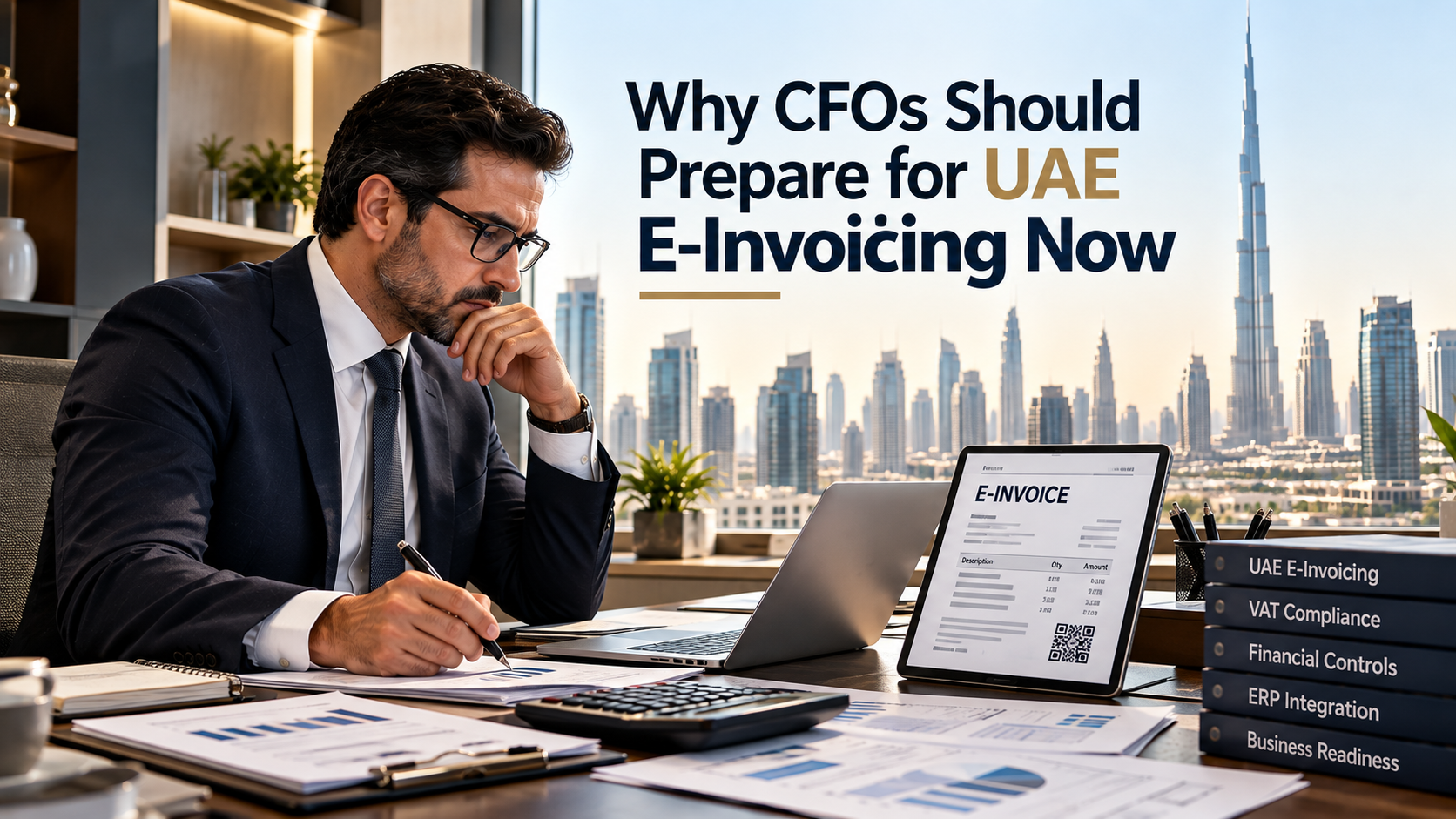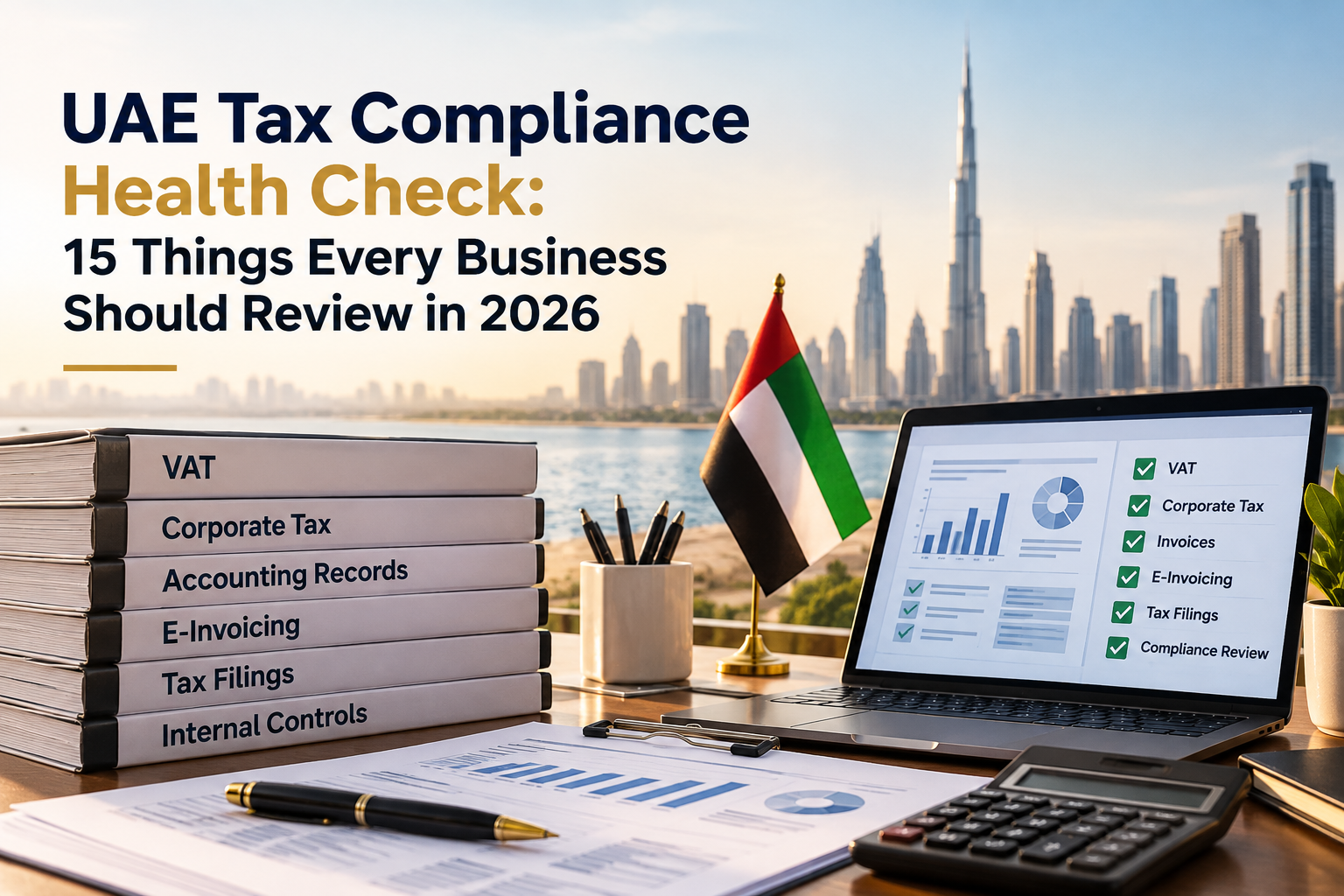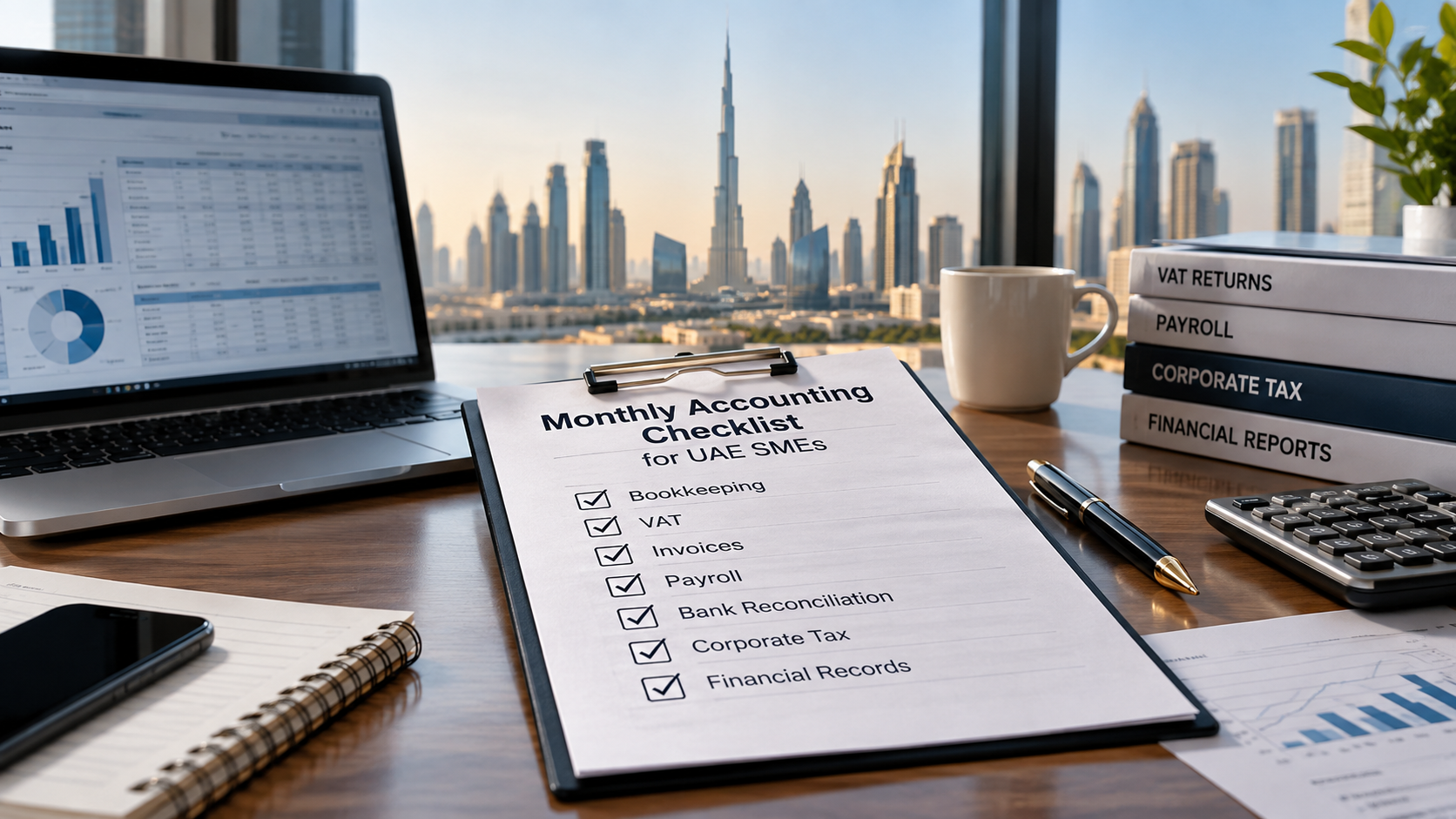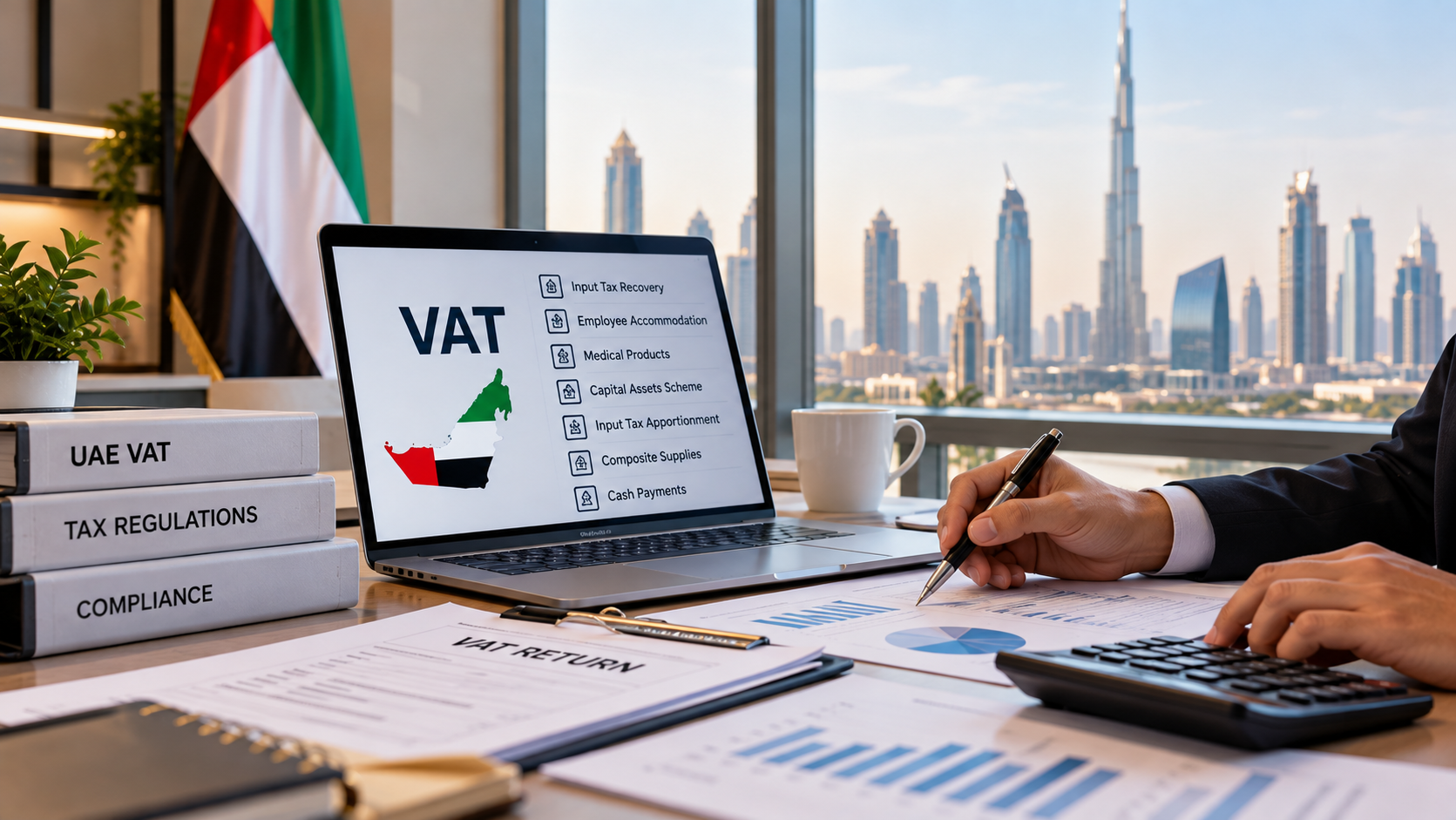
For businesses in the UAE, invoice validation is more than a routine accounting check. A properly validated invoice helps businesses maintain accurate financial records, support VAT compliance, reduce processing errors and prepare for the UAE’s structured eInvoicing environment.
As the UAE moves towards mandatory electronic invoicing, businesses must also pay closer attention to the quality and accuracy of their invoice data. The Ministry of Finance has published mandatory field requirements for electronic invoices, while the wider eInvoicing framework introduces structured data validation and electronic reporting.
This guide explains the key invoice validation rules in the UAE, what businesses should check before issuing or processing an invoice, common mistakes to avoid and how proper validation supports VAT and eInvoicing compliance.
What Are Invoice Validation Rules in the UAE?
Invoice validation rules are the checks used to confirm that an invoice is complete, accurate, consistent and appropriate for the underlying transaction.
A proper validation process can check:
- Supplier and customer information
- Tax Registration Number (TRN), where applicable
- Invoice number
- Invoice date
- Description of goods or services
- Quantity and unit price
- VAT treatment
- VAT amount
- Total invoice value
- Currency and exchange-rate information, where applicable
- Discounts and adjustments
- Supporting documents
- Payment and transaction references
For electronic invoices, validation becomes even more important because invoice data must be structured correctly for electronic processing and reporting.
Why Is Invoice Validation Important for UAE Businesses?
Invoice errors can affect accounting, VAT reporting, cash flow and audit preparation.
For example, an incorrect VAT calculation may affect tax records, while a duplicate invoice number can create reconciliation problems. Missing customer or supplier information can also make it difficult to trace a transaction.
A consistent invoice validation process helps businesses:
- Reduce accounting errors
- Improve VAT documentation
- Prevent duplicate transactions
- Strengthen financial record keeping
- Improve invoice processing
- Support audit readiness
- Reduce manual corrections
- Prepare for e-invoicing requirements
For businesses that need ongoing support, professional Accounting Services in Dubai can help establish structured bookkeeping, accounting and compliance processes.
What Information Should Be Checked on a UAE Tax Invoice?
Before an invoice is issued or recorded, businesses should verify the key information against the applicable UAE tax requirements.
1. Invoice Number
Every invoice should have a unique identification or sequential invoice number that allows the transaction to be traced.
Duplicate or inconsistent invoice numbering can make reconciliation and transaction tracking more difficult.
2. Invoice Date
The invoice date should be checked carefully and should accurately reflect the date of issue.
Businesses should also consider whether the date of supply or another transaction date is relevant to the particular invoice.
3. Supplier Details
The supplier’s information should be accurate and consistent with its official business records.
Depending on the applicable requirements, the information may include:
- Legal business name
- Address
- Tax Registration Number (TRN)
- Other required registration details
4. Customer Details
Customer information should also be checked before the invoice is issued.
Where applicable, businesses should verify the customer’s legal name, address and TRN.
Incorrect customer information can lead to invoice rejection, reconciliation issues or additional administrative work.
5. Description of Goods or Services
The invoice should clearly describe what was supplied.
A vague description may make it difficult for the customer, accounting team or auditor to understand the transaction.
The description should therefore be sufficiently clear to identify the goods or services provided.
6. Quantity and Unit Price
For applicable supplies, the invoice should accurately reflect the quantity or volume and unit price.
These figures should match supporting documents such as:
- Purchase orders
- Quotations
- Contracts
- Delivery documents
- Service agreements
7. VAT Rate and VAT Amount
The applicable VAT treatment should be reviewed before an invoice is finalised.
Businesses should verify:
- Taxable value
- Applicable VAT treatment
- VAT rate
- VAT amount
- Total amount payable
The calculation should also be checked for rounding or currency-related issues where applicable.
8. Total Invoice Amount
The final invoice amount should reconcile with the individual line items, discounts, VAT and other applicable adjustments.
A simple mathematical error can affect bookkeeping and subsequent VAT reporting.
9. Currency and Exchange Rate
Where an invoice involves a foreign currency, businesses should check whether the VAT amount needs to be converted into AED and whether the applicable exchange-rate information is correctly reflected.
The UAE Ministry of Finance’s published electronic invoice requirements include invoice currency and other transaction-related data fields.
UAE Invoice Validation Checklist
A practical checklist can help accounting teams validate invoices consistently.
Basic Invoice Checks
- Correct invoice number
- Correct invoice date
- Correct supplier name
- Correct supplier TRN
- Correct customer details
- Customer TRN checked where applicable
- Clear description of goods or services
- Correct quantity
- Correct unit price
- Correct VAT treatment
- Correct VAT amount
- Correct total amount
- Correct currency
- Required supporting documents available
Internal Control Checks
Businesses should also check whether:
- The invoice matches the purchase order or agreement
- The invoice is not a duplicate
- Required approval has been obtained
- Discounts are correctly recorded
- Credit notes are properly referenced
- Accounting entries are accurate
- Supporting documents are stored securely
This additional layer of validation can help businesses maintain stronger financial controls.
Common Invoice Validation Errors in the UAE
Even businesses with established accounting systems can encounter invoice errors.
Duplicate Invoice Numbers
Duplicate invoice numbers can make it difficult to identify individual transactions and may create reconciliation issues.
Incorrect VAT Calculations
Incorrect VAT calculations can affect both the invoice issued to the customer and the business’s accounting records.
Wrong or Missing TRN
A missing or incorrect TRN can create problems when tax documentation is reviewed.
Incorrect Customer Details
Incorrect legal names, addresses or tax information may result in delays or the need to reissue invoices.
Wrong VAT Treatment
Not every transaction should automatically be treated in the same way for VAT purposes. The applicable tax treatment should be reviewed based on the nature of the transaction.
Mismatch With Supporting Documents
Invoice details should be consistent with relevant contracts, purchase orders, quotations or delivery documentation.
Poor Record Keeping
An invoice should not be treated as an isolated document. It should be connected to the relevant accounting entry and supporting evidence.
How Invoice Validation Supports VAT Compliance
Invoice validation is closely connected to effective VAT compliance.
When invoices are accurate and properly documented, businesses have better-quality information for bookkeeping, reconciliation and VAT reporting.
A strong validation process can help businesses:
- Maintain accurate VAT records
- Identify missing information
- Reduce calculation errors
- Improve transaction traceability
- Support VAT return preparation
- Prepare for potential tax reviews
- Maintain better audit documentation
Businesses that require specialised support can explore professional VAT Services in Dubai for VAT registration, return filing, compliance reviews and related tax support.
Invoice Validation and UAE eInvoicing
The UAE’s eInvoicing framework makes invoice data quality increasingly important.
The Ministry of Finance defines an eInvoice as structured invoice data that is electronically issued and exchanged between a supplier and buyer and reported through the UAE eInvoicing framework. A PDF, Word document, scanned invoice, image or email attachment is not considered an eInvoice simply because it is digital.
This distinction is important.
Simply converting a paper invoice into a PDF does not create a compliant eInvoice.
The UAE framework uses structured electronic data and an accredited service-provider model. The Ministry’s guidance also describes validation and reporting steps within the eInvoicing process.
What Does eInvoice Validation Involve?
Under the UAE’s structured eInvoicing model, invoice data needs to be correctly prepared and transmitted through the applicable electronic framework.
The Ministry of Finance’s mandatory-field guidance includes data such as:
- Invoice number
- Invoice date
- Invoice type code
- Invoice currency code
- Invoice transaction type code
- Supplier information
- Buyer information
- Supply details
- Tax information
- Invoice totals
The exact data requirements can vary according to the invoice and transaction type, so businesses should use the latest official UAE eInvoicing documentation when configuring their systems.
UAE eInvoicing Timeline: What Businesses Should Know
The UAE is introducing eInvoicing through a phased implementation approach.
According to the latest Ministry of Finance information, businesses with annual revenue of AED 50 million or more are scheduled for mandatory eInvoicing implementation from 1 January 2027. The deadline for appointing an Accredited Service Provider for this category was extended to 30 October 2026.
Businesses with annual revenue below AED 50 million have a mandatory implementation date of 1 July 2027, with the applicable Accredited Service Provider appointment deadline set for 31 March 2027. Government entities have a mandatory implementation date of 1 October 2027.
Because implementation requirements can be updated, businesses should verify the latest Ministry of Finance guidance before making compliance decisions.
How Businesses Can Prepare for Better Invoice Validation
Preparing for eInvoicing should not begin with software alone. Businesses should first improve the quality of their underlying financial data.
Step 1: Review Existing Invoice Processes
Identify how invoices are currently created, reviewed, approved and stored.
Step 2: Standardise Invoice Data
Create consistent processes for customer information, supplier information, invoice numbering, VAT treatment and transaction descriptions.
Step 3: Improve Bookkeeping Controls
Make sure invoices are correctly connected with accounting entries and supporting documents.
Step 4: Check Accounting Software
Review whether your accounting or ERP system can support the required structured invoice data and integration requirements.
Step 5: Prepare for eInvoicing
Businesses within scope should evaluate their e-invoicing readiness, including their accredited service provider requirements and internal workflows.
Step 6: Monitor Regulatory Updates
UAE tax and e-invoicing requirements can evolve. Businesses should regularly review official Ministry of Finance and Federal Tax Authority guidance.
For businesses looking to strengthen their systems, Accounting and Bookkeeping Services in Dubai can help improve financial record accuracy and day-to-day accounting controls.
Invoice Validation vs Invoice Approval: What Is the Difference?
Invoice validation and invoice approval are related but different processes.
Invoice validation focuses on whether the invoice information is correct and complete.
Invoice approval focuses on whether the appropriate person within the organisation has authorised the transaction or payment.
A strong accounts-payable process can use both:
Invoice Received → Validation → Approval → Accounting Entry → Payment → Record Retention
This creates a clearer audit trail and reduces the risk of processing inaccurate or unauthorised transactions.
How Invoice Validation Supports Audit Readiness
Accurate invoices make it easier to trace financial transactions.
An auditor or finance team should be able to understand:
- What transaction occurred
- When it occurred
- Who was involved
- How the amount was calculated
- What VAT treatment was applied
- Which accounting entry was created
- What supporting documents are available
This is one reason why maintaining organised financial records throughout the year is more effective than preparing documents only when an audit is approaching.
Businesses can also review audit-readiness guidance for UAE businesses to understand how invoices fit into broader financial record management.
Frequently Asked Questions About Invoice Validation Rules in UAE
Invoice validation rules are checks used to confirm that an invoice contains the required information, accurately represents the transaction and follows applicable accounting and VAT requirements.
Businesses should check the invoice number, date, supplier details, customer details, TRN where applicable, description, quantity, price, VAT treatment, VAT amount, total amount and any additional information required for the transaction.
No. A PDF, Word document, image, scanned copy or email attachment is not an eInvoice simply because it is electronic. UAE eInvoicing uses structured invoice data exchanged through the applicable framework.
Accurate invoice data supports reliable bookkeeping, VAT documentation, reconciliation and tax reporting. Validation can help identify errors before they affect wider financial records.
Final Takeaway
Invoice validation should be treated as an essential part of financial control rather than a simple administrative task.
For UAE businesses, a reliable process should combine accurate invoice information, correct VAT treatment, strong bookkeeping controls, supporting documentation and preparation for structured e-invoicing.
As the UAE’s eInvoicing framework moves towards phased mandatory implementation, businesses that improve their invoice data and accounting processes early can make the transition more organised and easier to manage.
If your business needs help reviewing its accounting, VAT or invoice processes, professional support can help identify gaps and establish a more structured compliance workflow.
Need help with accounting, VAT compliance or e-invoicing preparation in Dubai? Contact Irtiqa Al Falah for a consultation.
Ensure Your Invoices Are UAE-Compliant
From VAT validation and accurate invoice data to eInvoicing readiness, Irtiqa Al Falah helps UAE businesses maintain compliant and audit-ready financial records.
Get Professional Accounting & VAT Support Today.
Email: info@irtiqaalfalah.com
Call: +971 4 5705345
WhatsApp: +971 56 733 7438