Introduction
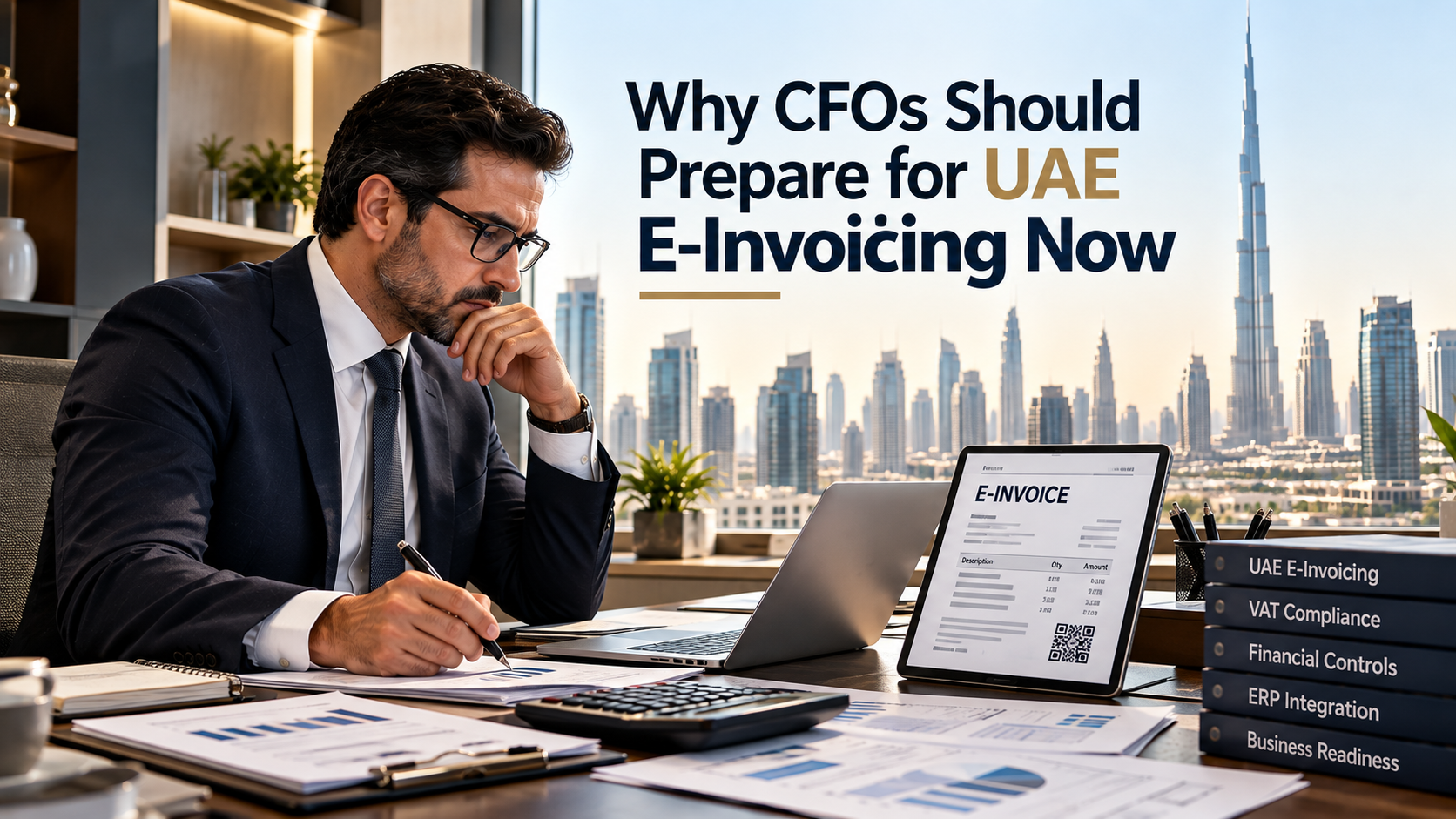
In terms of digital transformation, the UAE is making very fast progress, and e-invoicing has already become one of the key elements of its advanced taxation system. With new e-invoicing regulations around the corner, there is no way out but to ensure your business complies with all the requirements. No matter whether you own a startup, SME or big company, be aware of e-invoicing challenges to avoid fines and other problems.
Many businesses believe that switching from paper invoices to digital is enough to ensure compliance with requirements. However, real e-invoicing compliance implies maintaining accounting records, using the right accounting software, being VAT-compliant and having correct data in each invoice.
Businesses which use the professional services of Accounting Services in Dubai have greater chances to cope with regulation and run their finances smoothly.
Understanding E-Invoicing in the UAE
E-invoicing involves creation, transmission, validation, and storage of invoices in an organized digital format. This differs from normal PDF or paper invoices because electronic invoices are specifically created for automated processing through accounting software without any need for manual involvement.
The United Arab Emirates government is implementing e-invoicing in order to enhance transparency, prevent tax fraud, simplify VAT filing procedures, and build the digital economy in the country.
Why E-Invoicing Compliance Matters
Complying with e-invoicing regulations offers several business advantages, including:
- Faster invoice processing
- Improved cash flow
- Reduced manual errors
- Better VAT compliance
- Stronger financial transparency
- Easier audit preparation
- Improved customer trust
Businesses that delay implementation may face operational disruptions and increased compliance risks.
Common E-Invoicing Mistakes Businesses Should Avoid
1. Using Non-Compliant Accounting Software
One of the biggest mistakes businesses make is relying on outdated accounting systems that cannot support electronic invoicing requirements.
Modern accounting software should be capable of:
- Generating structured electronic invoices
- Maintaining secure digital records
- Integrating with ERP systems
- Supporting VAT calculations
- Creating audit trails
Professional Accounting Consultancy in Dubai can help businesses choose the right accounting solution before new regulations become mandatory.
2. Entering Incorrect Business Information
Invoices containing incorrect business details can create serious compliance issues.
Common mistakes include:
- Incorrect company name
- Missing VAT registration number
- Wrong customer information
- Incorrect invoice date
- Missing invoice reference numbers
Even small errors may result in rejected invoices or delayed payments.
3. Poor Bookkeeping Practices
Accurate bookkeeping remains the foundation of successful e-invoicing compliance.
Without proper bookkeeping, businesses may struggle with:
- Missing invoices
- Incorrect financial records
- Duplicate transactions
- Poor expense tracking
- Tax reporting errors
Reliable Bookkeeping Services in Dubai help businesses maintain organized financial records throughout the year.
4. Incorrect VAT Calculations
VAT mistakes remain one of the most common compliance problems.
Businesses should always verify:
- Applicable VAT rates
- Tax calculations
- Tax invoice requirements
- VAT registration details
Working with an experienced Tax Consultant in Dubai helps businesses minimize tax-related risks and maintain regulatory compliance.
5. Delaying E-Invoicing Preparation
Many businesses wait until regulations become mandatory before upgrading their systems.
This often results in:
- Last-minute implementation
- Staff confusion
- Higher setup costs
- Operational downtime
Preparing early allows businesses to transition smoothly without disrupting daily operations.
6. Weak Internal Approval Processes
Invoices should always pass through proper verification before being issued.
Without approval workflows, businesses may experience:
- Duplicate invoices
- Incorrect billing
- Unauthorized transactions
- Fraud risks
Many companies work with Internal Audit Firms in Dubai to strengthen financial controls and improve compliance.
7. Not Training Employees
Technology alone cannot guarantee compliance.
Finance and accounting teams should understand:
- Invoice validation
- VAT requirements
- Digital record keeping
- Compliance procedures
- Accounting software usage
Regular staff training reduces mistakes and improves efficiency.
8. Ignoring Document Retention Requirements
Electronic invoices should be stored securely and remain easily accessible during audits.
Businesses should maintain:
- Digital invoices
- Payment records
- Customer information
- Supporting documents
Secure financial record management improves compliance and audit readiness.
9. Skipping Internal Audits
Regular financial reviews help businesses detect errors before they become compliance issues.
Professional Audit Services in Dubai help organizations:
- Review accounting systems
- Verify invoice accuracy
- Evaluate financial controls
- Improve compliance procedures
Internal audits reduce financial risks and improve operational efficiency.
10. Trying to Manage Compliance Without Professional Support
As UAE tax regulations continue to evolve, businesses should avoid handling complex compliance requirements without expert assistance.
Professional Accounting Outsourcing Dubai services provide experienced accountants who can manage financial reporting, bookkeeping, tax preparation, and compliance more efficiently than maintaining large in-house teams.
Best Practices to Stay Compliant
Businesses can improve compliance by following these practical steps:
Upgrade Your Accounting System
Choose software that supports future UAE e-invoicing requirements and integrates with your financial systems.
Maintain Accurate Financial Records
Keep invoices, receipts, purchase records, and financial statements organized throughout the year.
Review Invoices Before Sending
Verify customer information, VAT details, invoice numbers, and tax calculations before issuing invoices.
Conduct Regular Compliance Reviews
Monthly financial reviews help identify errors before they affect tax reporting.
Stay Updated with UAE Regulations
Monitor announcements regarding VAT, Corporate Tax, and e-invoicing requirements to ensure continuous compliance.
How Professional Accounting Services Can Help
The process of managing e-invoicing compliance is not only about using the software but also being an expert in financial management.
Professional Accounting Services in Dubai offer help to companies in financial reporting, tax compliance, accounting system setup, and regulation.
Reputable Accounting and Bookkeeping Services in Dubai provide accurate record keeping and minimize the compliance risk.
Accounting Services in UAE will be helpful for the business in financial management and reporting.
Why Choose Irtiqa Al Falah?
At Irtiqa Al Falah, we help businesses simplify financial compliance through comprehensive accounting and tax solutions.
Our services include:
- Accounting Services in Dubai
- Bookkeeping Services in Dubai
- Audit Services in Dubai
- Tax Consultant in Dubai
- Accounting Consultancy in Dubai
- Accounting Outsourcing Dubai
- Internal Audit Services
- Accounting and Bookkeeping Services in UAE
- Corporate Tax Advisory
- Financial Reporting & Compliance Support
Our experienced professionals help businesses prepare for UAE e-invoicing while ensuring complete compliance with financial regulations.
Conclusion
E-invoicing is the future of business transactions in the United Arab Emirates (UAE). Businesses that plan ahead through investing in improved accounting software, keeping proper financial records, training their employees, and getting professional advice will find the transition to be much easier.
By avoiding errors now, businesses can cut down their risk of future problems and ensure they are ready for the future regulations imposed by the UAE government on tax issues. Professional assistance with Accounting Services in Dubai, Bookkeeping Services in Dubai, Audit Services in Dubai, and Tax Consultant in Dubai will help you achieve these goals.