Introduction
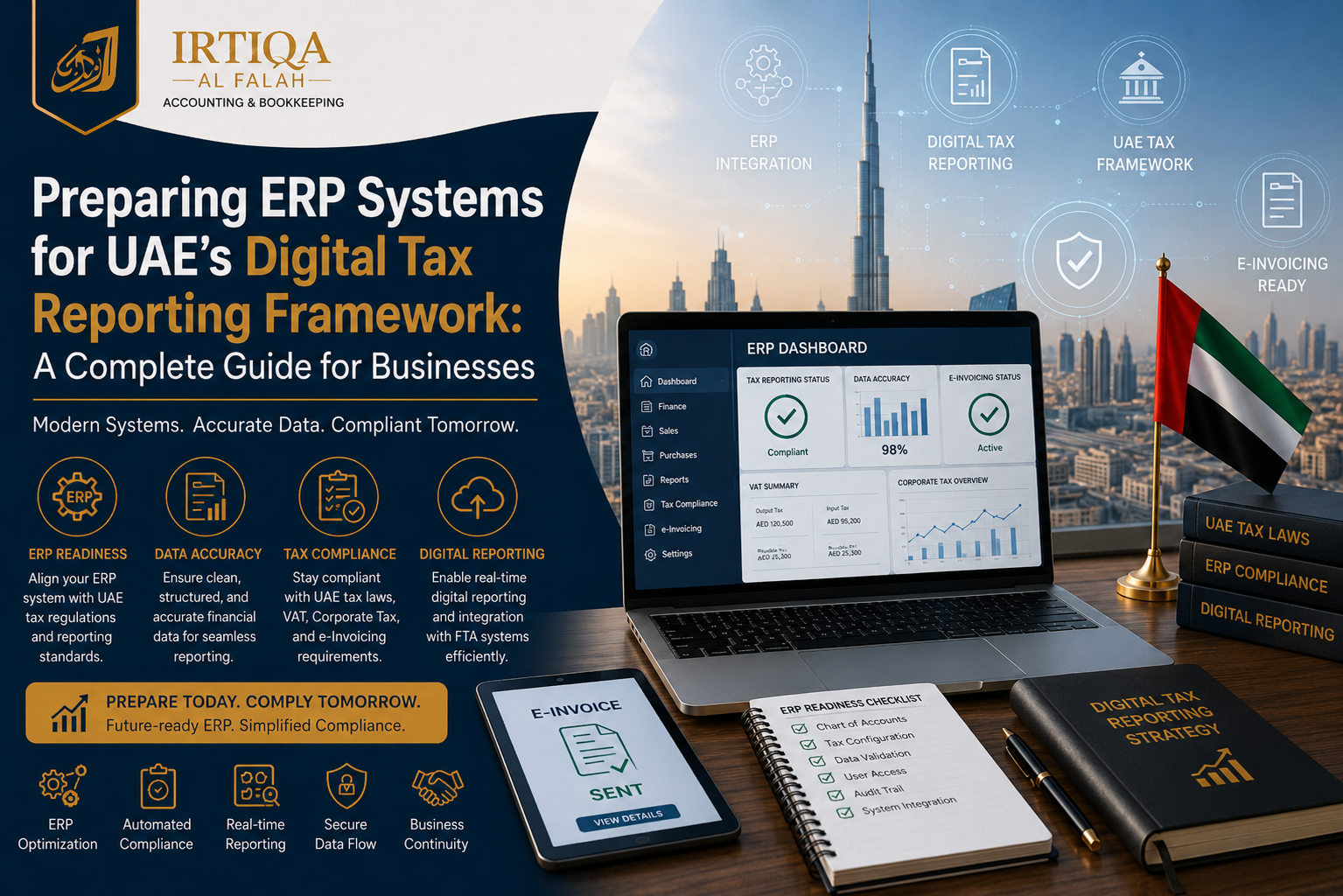
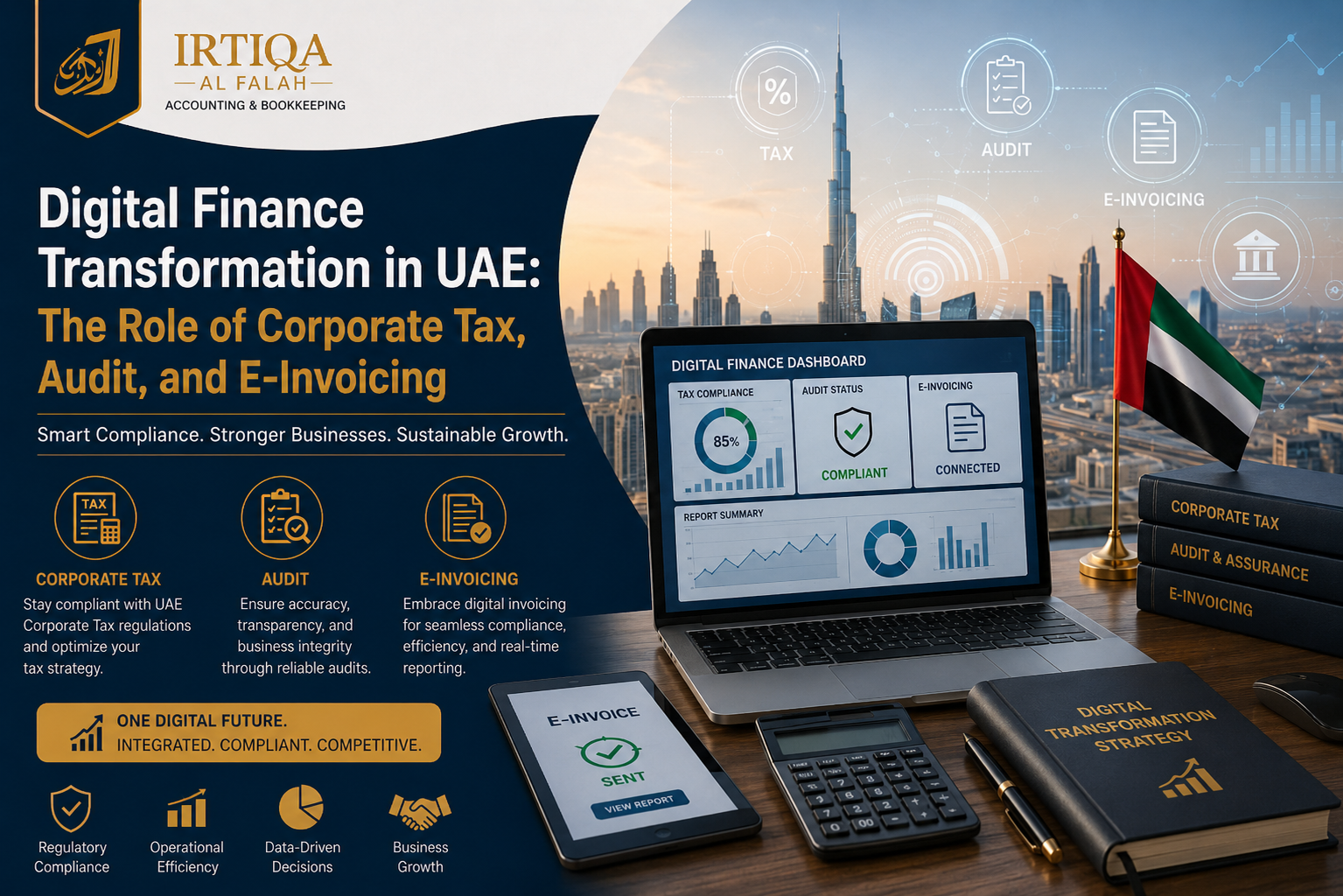
The UAE is moving at a brisk pace to build an elaborate tax environment through VAT, Corporate Tax, and imminent digital taxation laws. Companies should be certain that their ERP solutions are able to cope with such changes in the regulatory environment.
No matter whether you operate a small business or a huge corporation, engaging specialists from our Accounting Services in Dubai will help to get your ERP ready for digital taxation in the UAE.
Understanding the UAE’s Digital Tax Reporting Framework
The UAE government is moving toward a fully digital tax environment to improve transparency and compliance. Businesses should prepare for:
- Digital tax reporting
- Electronic invoicing
- Automated tax validations
- Real-time reporting
- Improved audit capabilities
Your ERP system will play a key role in meeting these requirements.
Why ERP Readiness is Important
An updated ERP system helps businesses:
- Automate VAT and Corporate Tax calculations
- Reduce manual errors
- Generate compliant invoices
- Improve financial reporting
- Support tax audits
Many businesses rely on Accounting Consultancy in Dubai to identify ERP gaps before they become compliance issues.
Essential ERP Features
Automated Tax Configuration
Your ERP should automatically manage:
- VAT
- Corporate Tax
- Zero-rated transactions
- Reverse charge transactions
Digital Invoice Generation
Your system should support:
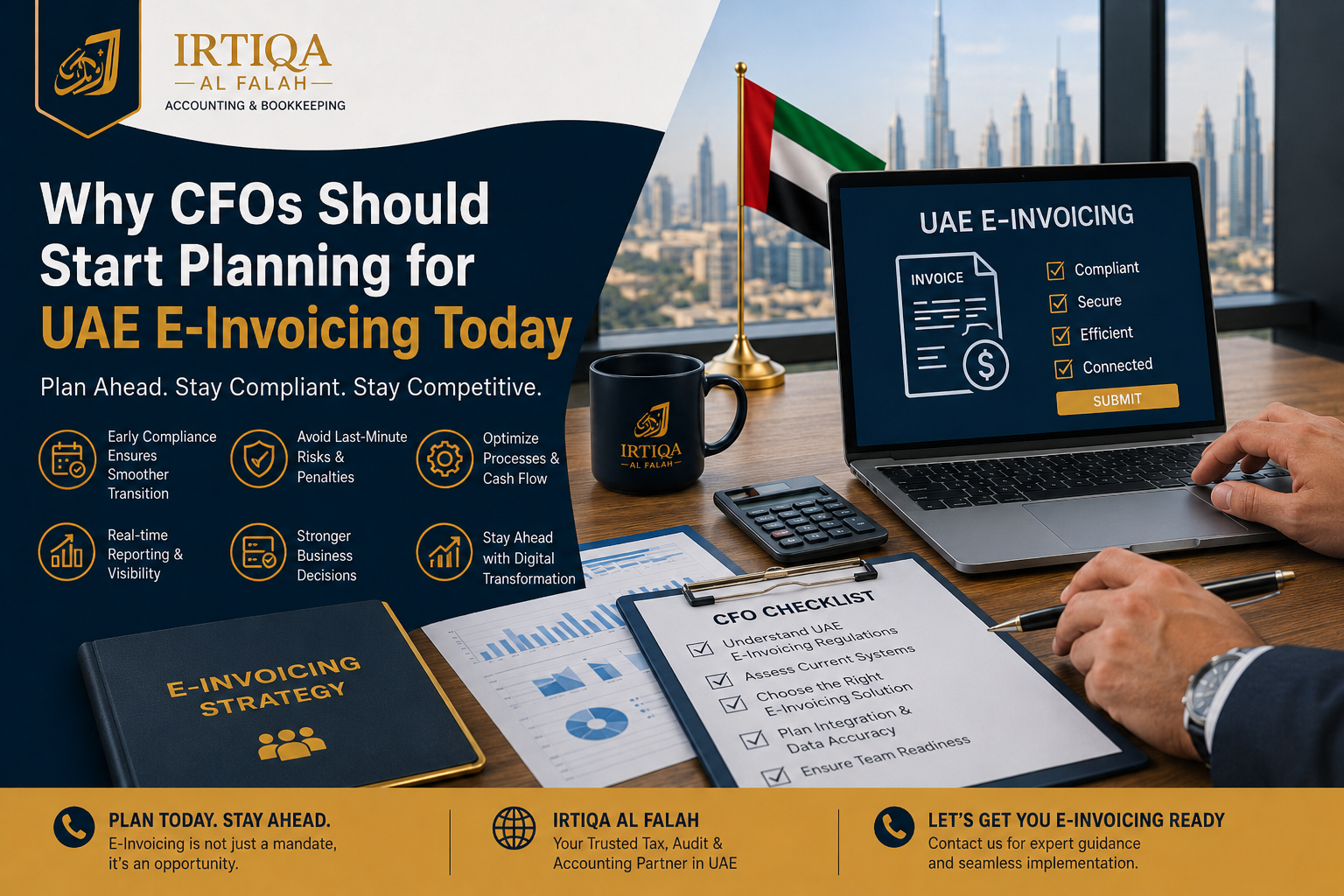
- Electronic invoices
- Customer tax information
- Automatic tax calculations
- Secure invoice storage
Businesses offering Accounting and Bookkeeping Services in Dubai help organizations implement these features effectively.
Audit Trail & Data Management
A reliable ERP should maintain:
- Transaction history
- User activity logs
- Approval workflows
- Centralized financial records
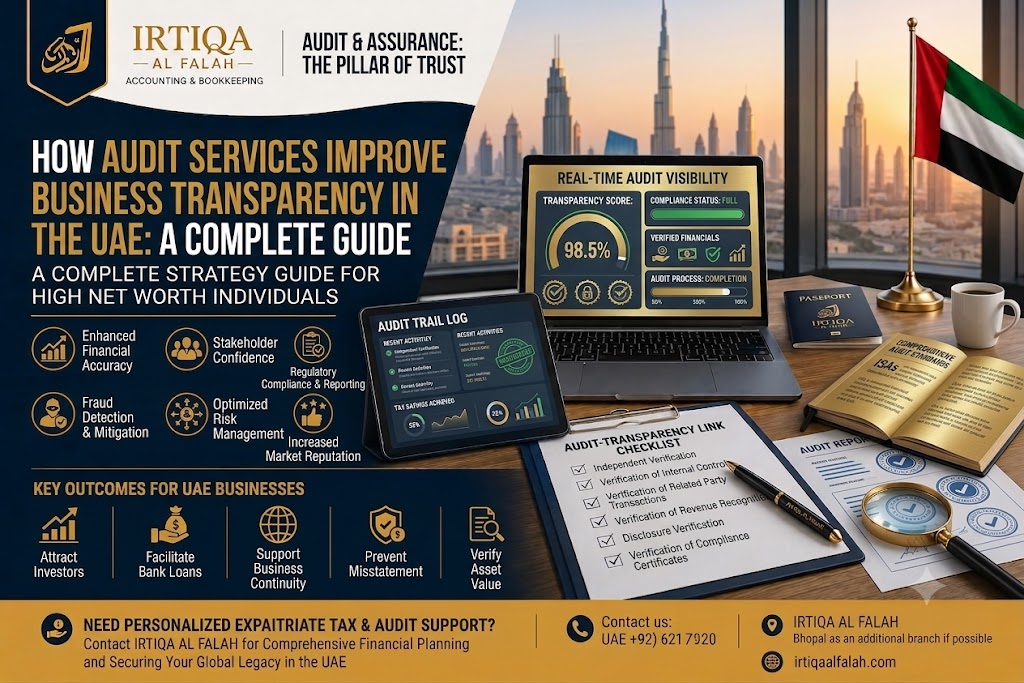
These features make Audit Services in Dubai much smoother and more efficient.
Common ERP Challenges
Many businesses still face issues such as:
- Outdated ERP software
- Poor financial data quality
- Manual accounting processes
- Weak internal controls
Working with Internal Audit Firms in Dubai can help identify and resolve these challenges before regulatory audits.
Steps to Prepare Your ERP System
To stay compliant, businesses should:
- Review current ERP capabilities
- Clean and organize financial data
- Update tax configurations
- Strengthen approval workflows
- Train finance teams
- Test ERP reports before implementation
A qualified Tax Consultant in Dubai can ensure your ERP complies with the latest UAE tax regulations.
Benefits of ERP Readiness
Preparing your ERP system offers several advantages:
- Better regulatory compliance
- Accurate tax reporting
- Improved operational efficiency
- Reduced audit risks
- Faster business growth
Businesses using Accounting Outsourcing Dubai services can also reduce operational costs while improving compliance.
How Professional Accounting Experts Help
Professional Accounting Services in UAE support businesses by providing:
- ERP readiness assessments
- Tax configuration
- Financial data cleanup
- Compliance reviews
- Audit preparation
- Ongoing accounting support
Their expertise ensures your ERP remains aligned with changing UAE tax requirements.
Conclusion
Since the UAE is still upgrading its tax reporting system, companies need to be proactive about preparing themselves by making sure that their ERP is optimized. This will make companies more compliant, streamline their reporting process, and reduce any risk of being non-compliant.
Companies can achieve this through the help of Accounting Service Providers, Bookkeeping Service Providers, and Accounting Consulting in Dubai.
FAQs
1. Why should businesses prepare their ERP systems now?
Preparing early helps businesses comply with upcoming UAE digital tax reporting requirements while avoiding penalties and operational disruptions.
2. What are the key ERP features for digital tax reporting?
Automated tax calculations, digital invoicing, centralized financial data, and audit trails are essential features.
3. How can Accounting Services in Dubai help?
They assist with ERP assessments, tax configuration, bookkeeping, compliance reviews, and audit preparation.
4. Is ERP testing necessary before implementation?
Yes. Testing ensures accurate tax calculations, reporting, and invoice generation before compliance requirements become mandatory.
5. Can small businesses also benefit from ERP readiness?
Absolutely. A modern ERP improves efficiency, reduces manual work, and helps businesses stay compliant as they grow.